Accommodation Hatch Calendar
The Hatch Calendar
The season runs from October until the end of April and normally there is dry fly fishing available all seven months. The best surface action occurs on certain stretches of the Mataura river when the Deleatidium mayfly hatches on mass.
Early Season Mayfly Hatches
Traditionally some of the Mataura's best daytime Deleatidium dun hatches and spinner falls occur in the 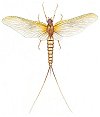 months October/November. For some reason the cool, showery, overcast weather
conditions of spring bring on the mayflies. Windy weather however, sees us tying
on nymphs.
months October/November. For some reason the cool, showery, overcast weather
conditions of spring bring on the mayflies. Windy weather however, sees us tying
on nymphs.
Early season also sees the pick of the Coloburiscus mayfly hatches on the southwest Otago streams. It's a real treat to cast one of these large colourful mouthfuls to a rising trout. Visiting anglers sometimes compare them to green drakes. Coloburiscus adults come in #12.
Pre Christmas is the time to fish the smaller lowland streams. Most of these waterways experience good early Deleatidium mayfly hatches and can hold some surprisingly large fish.
Early Terrestrial Action
Spring can bring balmy, warm days to the deep south. Warm soil temperatures
trigger the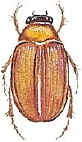 transformation of the grass grub to the brown beetle and these noisy
insects hatch in huge numbers during the evenings. With so much of Southland in
pasture, brown beetles abound, and this clumsy flier becomes very accessible to
trout. But you don't need to hang around until the evening, fish key in on this
abundant food source and will readily accept an artificial during the daytime.
Brown beetles can be dynamite well into the season, fished blind or to sighted
fish.
transformation of the grass grub to the brown beetle and these noisy
insects hatch in huge numbers during the evenings. With so much of Southland in
pasture, brown beetles abound, and this clumsy flier becomes very accessible to
trout. But you don't need to hang around until the evening, fish key in on this
abundant food source and will readily accept an artificial during the daytime.
Brown beetles can be dynamite well into the season, fished blind or to sighted
fish.
Summer Hatches
By mid summer, the daytime Mataura Deleatidium mayfly hatches
have generally tapered off. But there is always the chance of an intense evening
rise to these mayflies which is often followed by a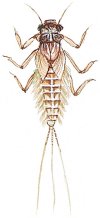 hatch of Aoteapsyche colonica caddis. And who knows, tomorrow a slight
cool, sou' westerly may blow, light showers could fall and at 2 in the afternoon
the duns may hatch and the spinners fall.
hatch of Aoteapsyche colonica caddis. And who knows, tomorrow a slight
cool, sou' westerly may blow, light showers could fall and at 2 in the afternoon
the duns may hatch and the spinners fall.
But if the Mataura may not be peaking there is certainly a lot of water nearby that offers a variety of dry fly action.
The green beetle appears on the bush lined streams and rivers. And the swimming mayfly Nesameletus will be most active. Calm days can see good spinner falls of this insect.
The large cobbled freestone rivers make ideal stonefly habitat. The nymphs of
most species are most active in late spring and summer as they approach
maturity. Unfortunately there is no dry action but fishing nymphs can provide
fast and furious action. The most commonly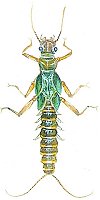 consumed by trout are
the green Stenoperla and the brown Zelandoperla and Zelandobius . We go big and heavy, #8 through to #12, depending on
species.
consumed by trout are
the green Stenoperla and the brown Zelandoperla and Zelandobius . We go big and heavy, #8 through to #12, depending on
species.
Caddis peak in summer with the net building Aoteapsyche #12 and #14 most common in the rich lowland rivers and the #16 horn cased Olinga Feredayi predominating in the freestone rivers. Heavy daytime hatches of these insects are not common, but the evening rise can be spectacular.
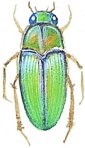 High
summer sees Willow grubs in #18 bringing trout to the surface. These tiny grubs
fall from the leaves of the Willow. Being so small they usually don't break the
surface film and trout rise to them consistently throughout the summer. Fun but
frustrating. You have been warned.
High
summer sees Willow grubs in #18 bringing trout to the surface. These tiny grubs
fall from the leaves of the Willow. Being so small they usually don't break the
surface film and trout rise to them consistently throughout the summer. Fun but
frustrating. You have been warned.
Mid and late summer brings cicadas onto the menu. There are many varieties the most common being the larger bush cicada #8 / #10 or the smaller #12 tussock cicada.
Trout and anglers love cicadas. There's nothing like throwing a big dry on a burbling high country river or tussock lined lake. Heart stopping stuff and timing the strike can be a problem.
March and April Optimum Mataura Mayfly Hatches
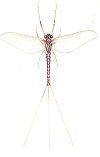
The onset of cooler autumn temperatures means the terrestrial action winds down. But the mayfly activity on the Mataura peaks during March and April. These months traditionally see the best daytime Deleatidium dun hatches and spinner falls. Chironomid midges continue to come off in good numbers as well. Nothing quite like a compound hatch!
But there's more!
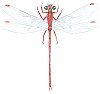 I haven't mentioned the snails, water boatman or damsel and dragon larvae
which are abound in lakes and slow moving river reaches. All can provide great sight
fishing opportunities. Hot summer days also see trout smash low flying damsel
and dragon adults in the weedy margins of waterways.
I haven't mentioned the snails, water boatman or damsel and dragon larvae
which are abound in lakes and slow moving river reaches. All can provide great sight
fishing opportunities. Hot summer days also see trout smash low flying damsel
and dragon adults in the weedy margins of waterways.
On the freestone rivers we may see a sparse hatch of Ameletopsis or sulphur duns, the large swimming mayfly Oniscigaster , a mass of Zelandoperla stonefly adults or perhaps a large fluttering Stenoperla stonefly adult. It all adds to the fly fishing experience.